


The Guildrun database
Everything Guildrun puts in front of you during a run, kept in one place: the 25 heroes and the 75 specializations they choose between, the 7 hero classes and 6 guilds they belong to, more than 400 relics, 174 items and 105 rank up modifiers, and the 644 enemy variants spread across 247 combat stages, 93 events and 15 crossroads.
Every page links to the things it names. A hero links to its class, its guild, its abilities and its specializations. An ability names the keywords it uses, and a keyword lists everything in Guildrun that touches it, which is how you find the pieces that actually fit together.
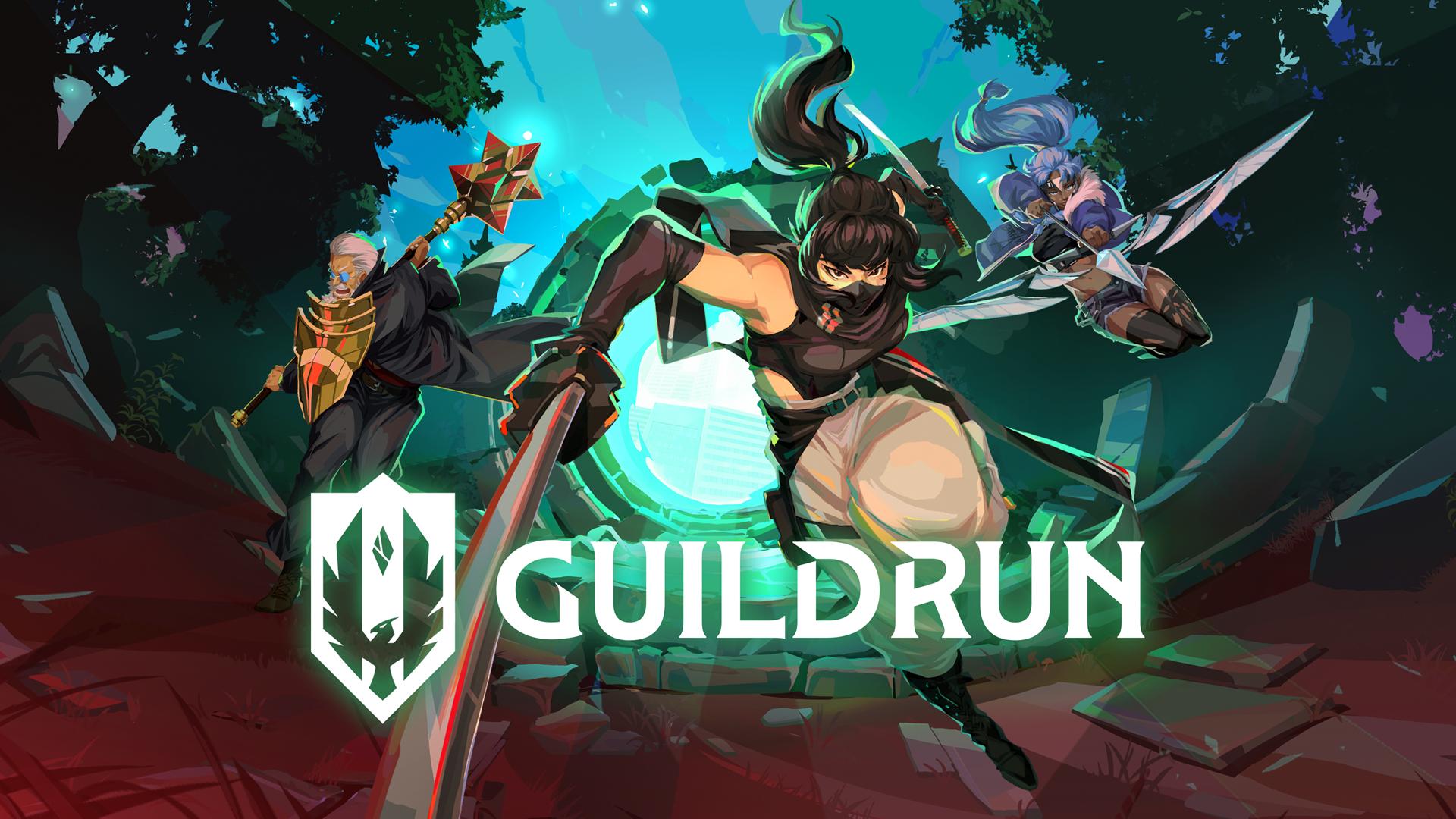
How a run works in Guildrun
A Guildrun run is twelve floors long, split into two halves by a campfire. Each floor is a fight followed by a crossroads, and the crossroads decides whether the next stop is an event, a shop or another fight. You spend Shards on heroes, items and relics, and you earn them back for every hero that survives a fight, with interest paid on what you have saved.
You start with three heroes on the board and can grow the guild to six, the extra ones waiting in the Reserves. Placement and gear are yours to decide between fights; once combat starts your heroes attack, build mana and spend it on their abilities on their own, so the run is won in the planning.
Heroes, classes and guilds in Guildrun
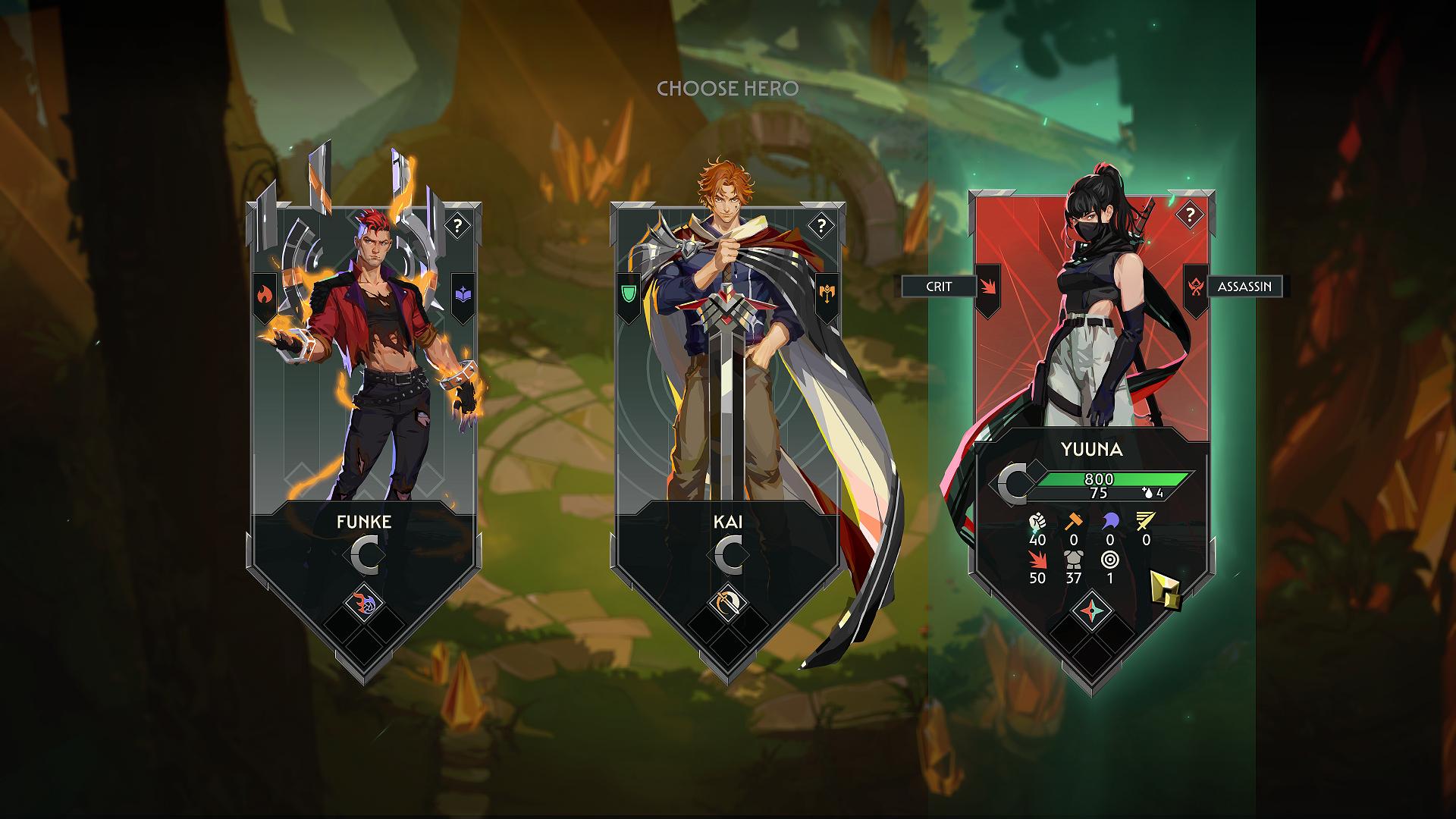
Each of the 25 heroes in Guildrun has one of seven classes, and the class decides which stat carries it: Attack for Warriors, Defense for Tanks, Max HP for Vanguards, Crit for Assassins, Attack Speed for Duelists, Mana Regen for Mystics and Magic for Mages. Ranking a hero up from C to B, A and S raises that primary stat hardest, which is why a rank is worth more on the right hero.
Heroes also belong to one of six guilds: Frontline, The Hunt, L'Héritage, A Temple, Gaia Project and Aegis Global. Guilds set the tone and the lore rather than the stats, while the one specialization you choose for a hero out of its three is what changes how it plays. A specialization can hand a hero a second class, a new passive or an active ability.
Relics, items and rank up modifiers in Guildrun
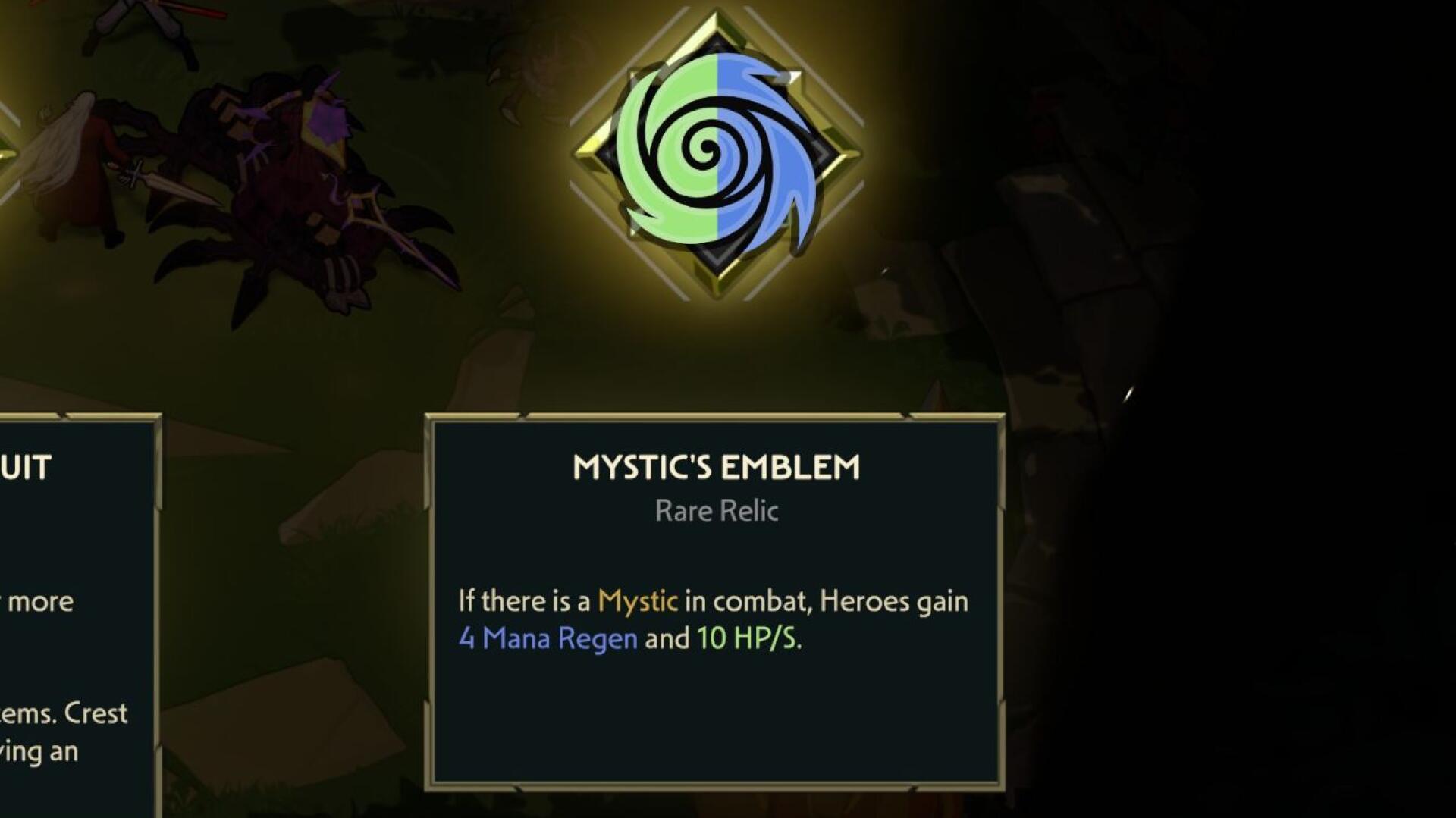
Relics are the run wide effects in Guildrun, items are equipped on a single hero, and rank up modifiers are the choices a class is offered when one of its heroes reaches rank A or S. All three come in rarities, and the shop rolls better ones the deeper into the run you get.
This is where the synergies live. Statuses like Burn, Frost, Poison and Stun, and hero tags like Stall, Rush, Crit, Shield, Stealth and Omnivamp, show up across relics, items, abilities and enemies alike, so the database lists every entry that references a mechanic on the page for that mechanic.
Enemies, stages and difficulty in Guildrun
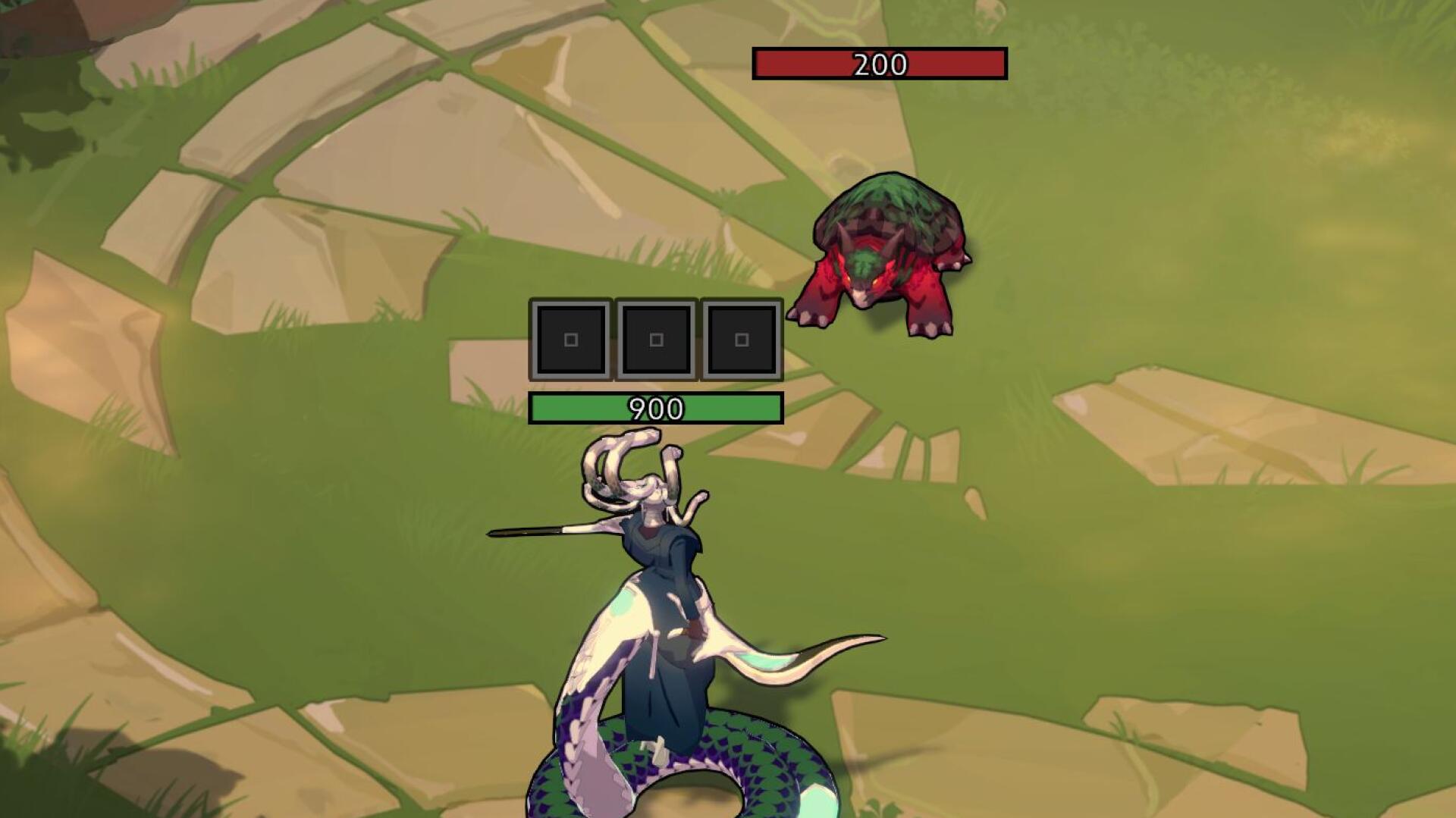
The 644 enemy variants in Guildrun are eighteen monsters retuned for every floor and difficulty they show up on, and each of the 247 stages places them in a specific formation with its own rewards. Fight events add nine special fights with their own win conditions, such as surviving a set time or dealing a set amount of damage.
Above the base game sit the difficulty levels C, B, A, S, SS and SSS, each adding a rule that changes how you build: heroes starting a fight damaged, tougher enemies, fewer Shards per survivor, or a hard cap on items per rank. Every one of those rules is listed, so you know what you are signing up for before the run starts.